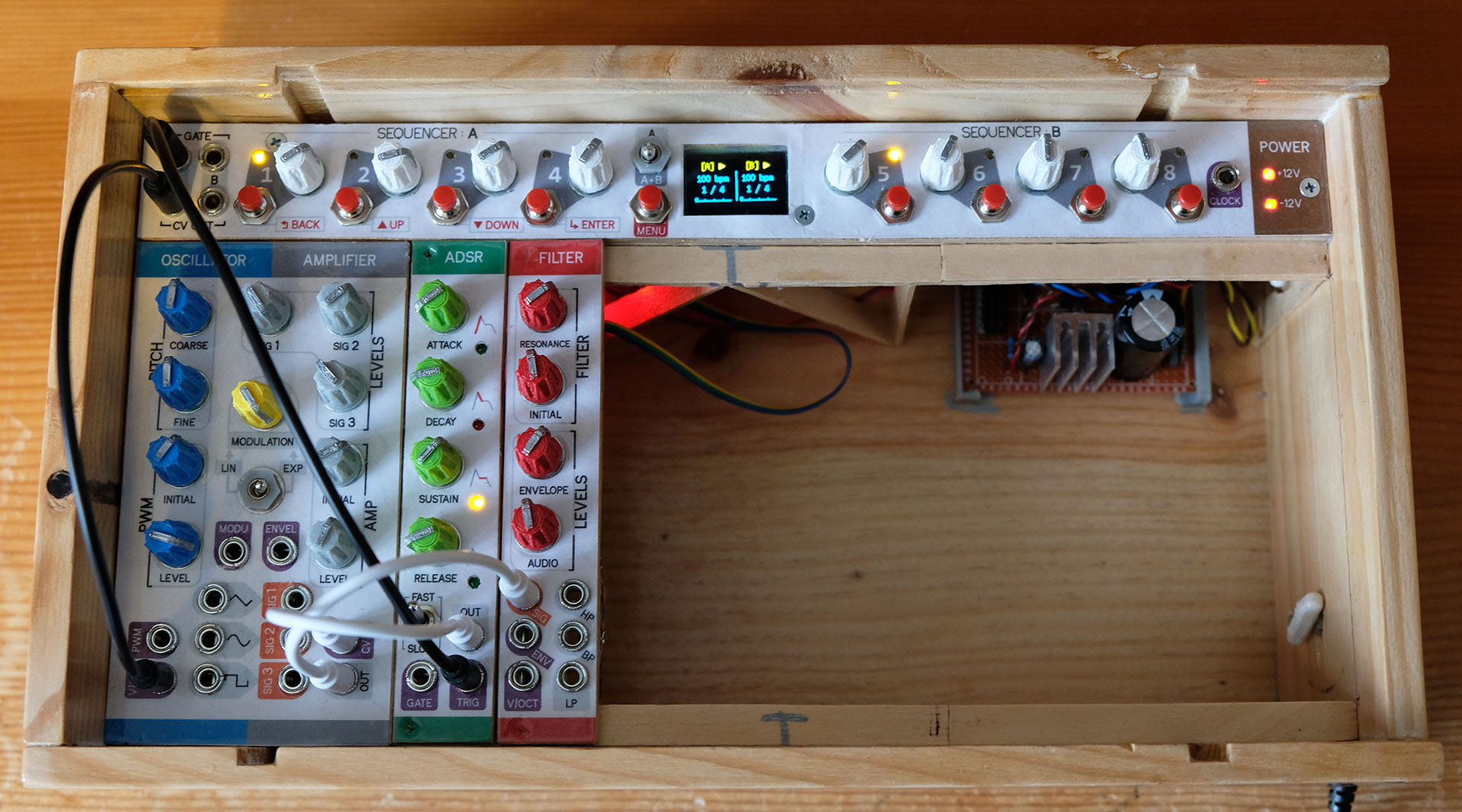
Modular Synth – Dual 12V Power Supply
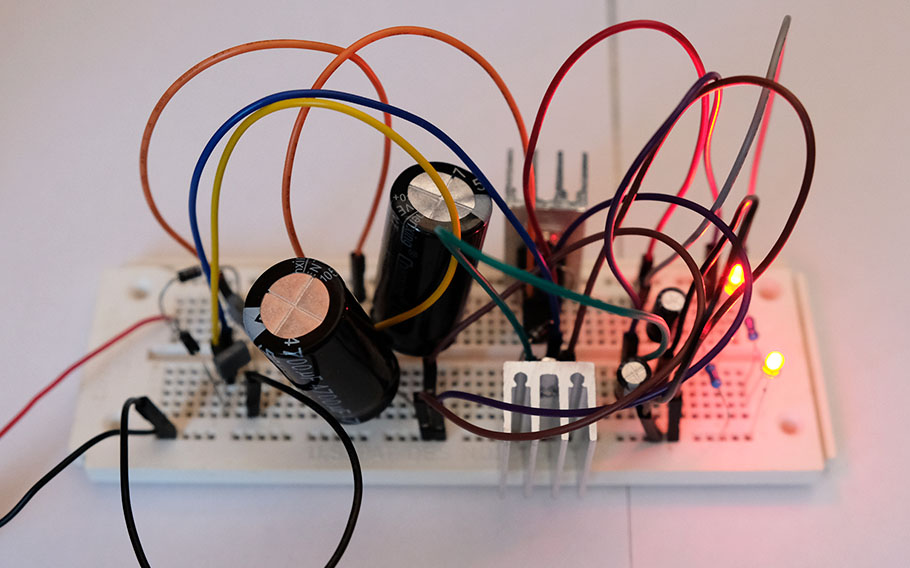
The very first thing which needs to be addressed when building a DIY synthesiser is how will it all be powered? Traditionally, synthesisers require both positive and negative voltages, which makes putting…
As an electronic engineer and amateur musician, I've become fascinated with electronic music. More specifically, at how analogue electronic circuits can produce, filter and shape a variety of different signals to create…
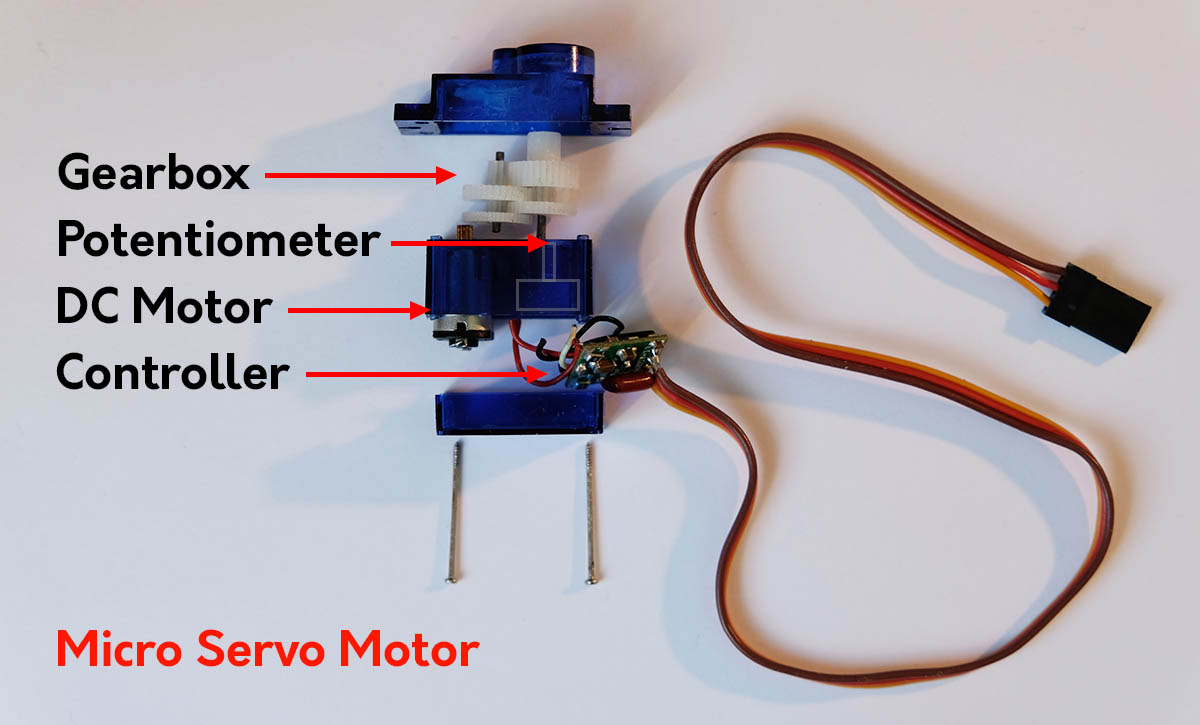
Servo motors are used in almost all hobby robotics projects, as they allow you to control the position of joints without too much effort. Using the core "Servo" library which comes with…
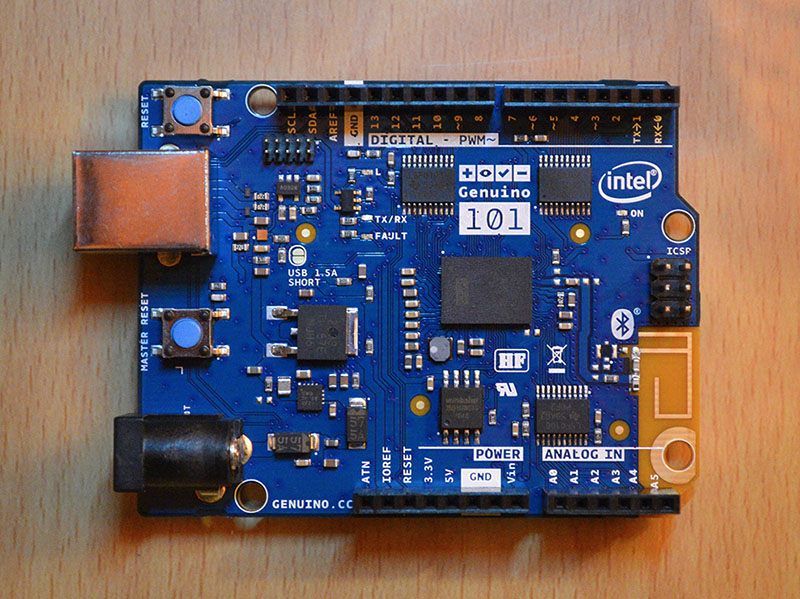
There are a multitude of micro-controllers available today, many of them advertised to be 'Arduino Compatible'. Are these devices really worth considering, or should you just stick with genuine Arduinos? For the…
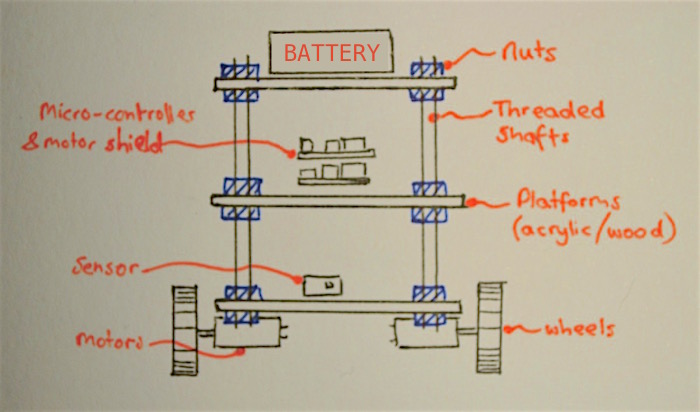
Up until now we have looked at all of the individual topics behind self-balancing robots. In this final part of the tutorial, I'll bring it all together and give you some guidelines to designing…
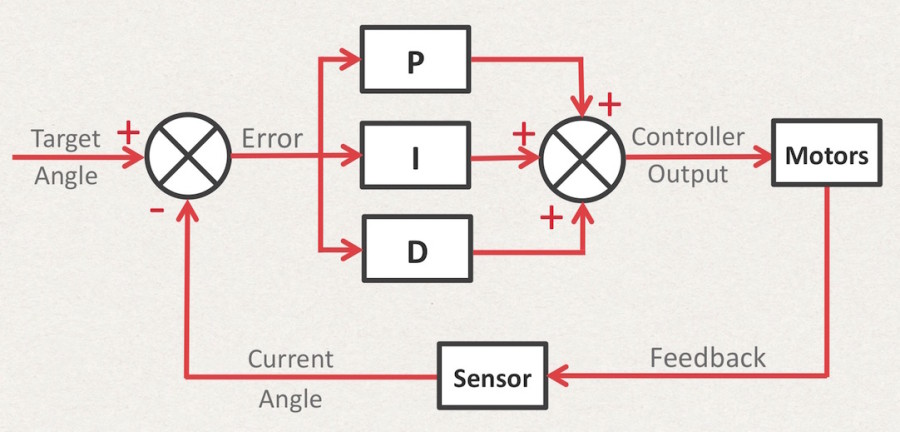
The most important element of any robot is the controller. The control algorithm determines how the robot should react to different sensor inputs, allowing it to intelligently adapt to and interact with…
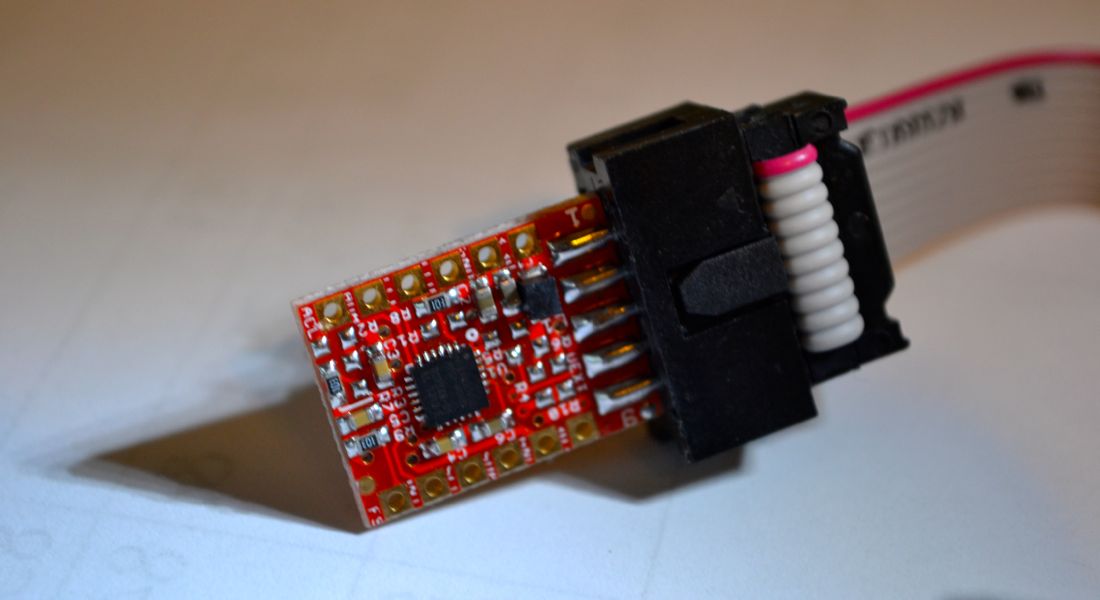
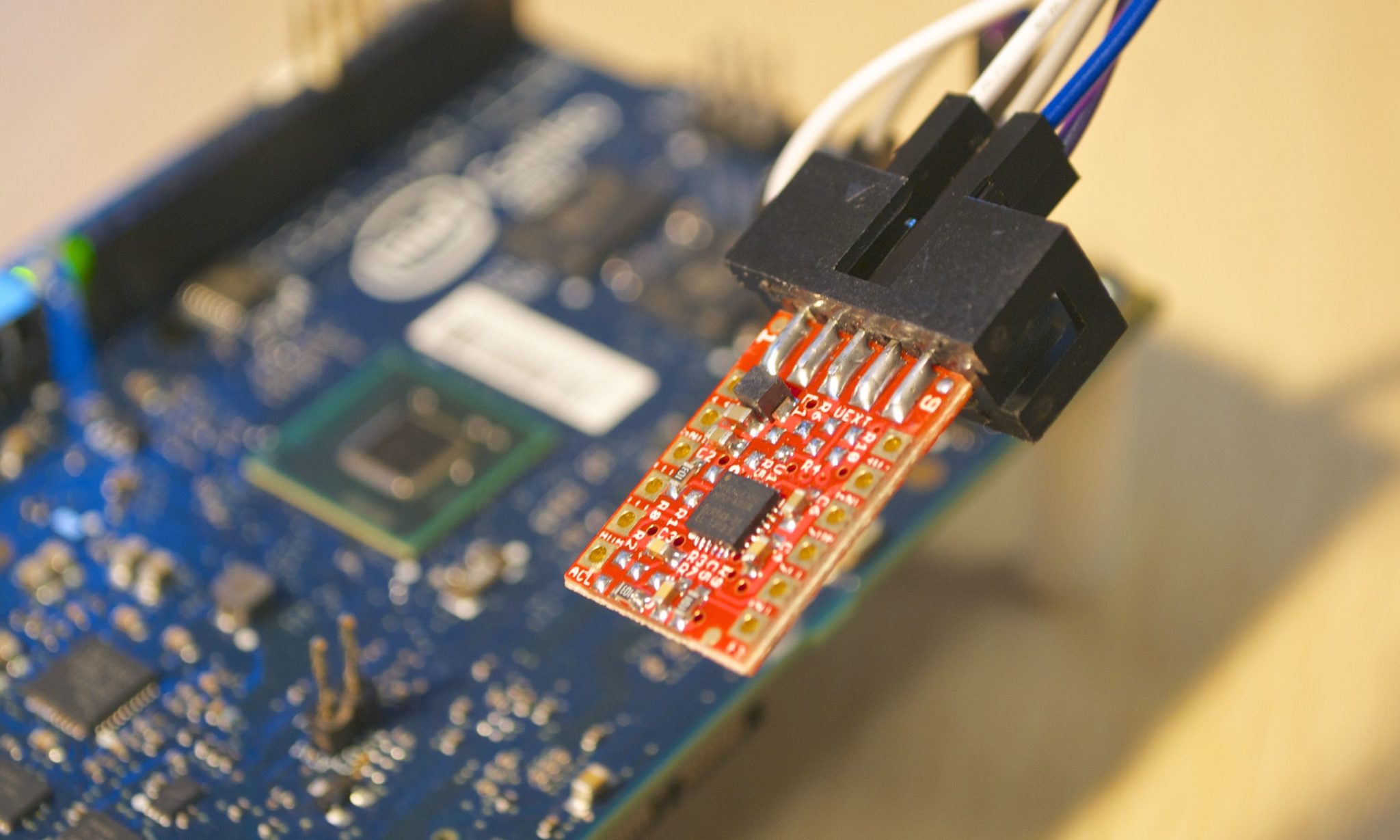
In this part of the tutorial I will cover how to get the most performance out of the MPU-6050 Accelerometer and Gyroscope module, using the "Motion Apps" library. This library is really amazing…
If you haven't already read the first part of this Self-balancing robot series, I would encourage you to do so now! The first section below deals with a little bit of theory…
Why build a self-balancing robot? The aim of a self-balancing robot is to balance itself on two wheels, being able to drive around without toppling over. Self-balancing robots use a "closed-loop feedback…